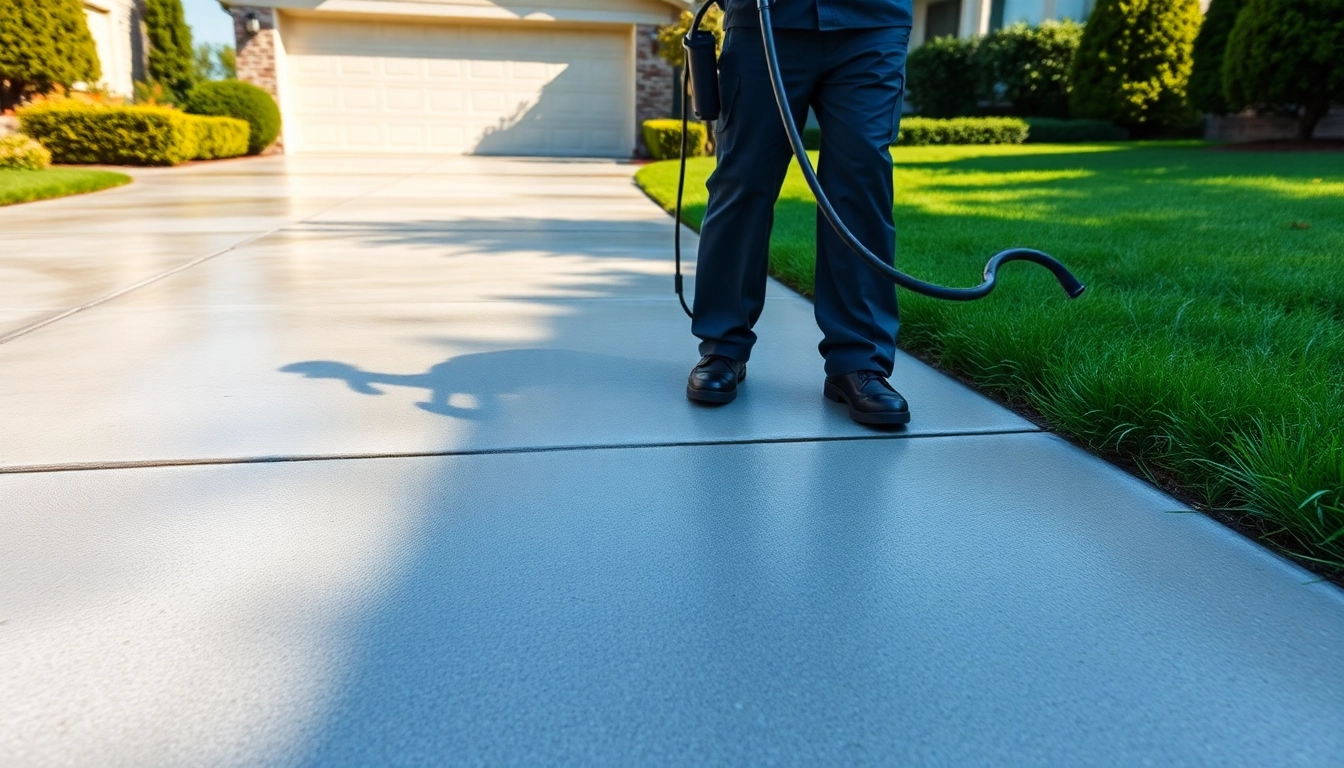
Understanding Driveway Pressure Wash Techniques
Maintaining a clean driveway is crucial for enhancing your property’s curb appeal and longevity. Driveway pressure washing is an effective method to achieve this by removing stubborn stains, dirt, and grime that accumulate over time. However, it's essential to understand the techniques involved, the benefits of professional services, and the types of equipment best suited for effective cleaning. When exploring options, Driveway pressure wash services can provide comprehensive insights to help you make an informed decision.
What Is Driveway Pressure Washing?
Driveway pressure washing involves using high-pressure water spray to clean surfaces such as concrete, asphalt, or pavers. This process not only removes dirt but is also effective at eliminating mold, mildew, oil stains, and other undesirable substances. A professional-grade pressure washer, often operating at 2,500 to 3,000 psi, is typically used for optimal results. Understanding the specific needs of your driveway surface is crucial, as different materials may require different pressure settings or cleaning techniques.
Benefits of Professional Driveway Pressure Washing
- Enhanced Curb Appeal: A clean driveway significantly improves the overall appearance of your property.
- Increased Longevity: Regular cleaning prevents the buildup of harmful substances that can degrade the driveway material.
- Safety: Removing mold and mildew can reduce slip and fall hazards.
- Time-Saving: Professionals have the experience and tools to complete the job quickly and efficiently.
Types of Pressure Washers for Driveways
There are two main types of pressure washers suitable for driveway cleaning: electric and gas-powered. Electric pressure washers are typically easier to use, quieter, and sufficient for lighter tasks. However, for tougher stains and larger driveways, gas-powered units are more effective as they provide greater pressure output and mobility. Each type has its advantages depending on the cleaning requirements and the driveway's condition.
Preparing Your Driveway for Pressure Washing
Assessing Driveway Condition Before Washing
Before performing a driveway pressure wash, it’s essential to assess the condition of your driveway. Look for cracks, loose stones, or other damage that could be exacerbated by high-pressure cleaning. If you notice significant wear and tear, consider repairing these areas prior to washing, as pressure washing could worsen existing damage.
Gathering Necessary Equipment and Materials
To effectively pressure wash your driveway, you will need the following equipment and materials:
- Pressure washer (gas or electric)
- Surface cleaner attachment (if available)
- Cleaning agents (detergents formulated for pressure washers)
- Protective gear (gloves, goggles, and non-slip shoes)
- Hose for rinsing
- Broom or blower for debris removal
Safety Precautions and Environmental Considerations
Safety should always be a priority when performing driveway pressure washing. Ensure that you are wearing appropriate protective gear, and avoid washing on windy days to minimize splash back. Additionally, consider the environmental impact of your cleaning agents. Opt for eco-friendly products and ensure wastewater is handled responsibly, especially when washing in residential areas.
The Driveway Pressure Washing Process
Step-by-Step Guide to Efficient Pressure Washing
Here is a simple guide to follow when pressure washing your driveway:
- Clear the Area: Remove any vehicles, furniture, or obstacles from the driveway.
- Debris Removal: Sweep the driveway thoroughly to remove loose debris and dirt.
- Apply Cleaning Agent: Mix and apply the chosen cleaning agent to the driveway, allowing it to sit for a few minutes.
- Pressure Wash: Using a pressure washer, work in sections, starting from the top and moving downwards for optimal drainage.
- Rinse: Rinse thoroughly with clean water to remove any remaining soap and dirt.
- Inspect: After drying, inspect the driveway for any missed spots or remaining stains and re-treat if necessary.
Choosing the Right Cleaning Agents
Selecting the right cleaning agents is vital for a successful driveway pressure wash. For oil stains, a degreaser designed for pressure washing will help break down the residue. For mildew and mold, a bleach solution may be required, but always follow safety guidelines and manufacturer recommendations. Using the wrong cleaning agent can cause damage to the driveway or harm the environment.
Best Practices for Effective Cleaning
To maximize the effectiveness of your driveway cleaning, consider the following best practices:
- Work in smaller sections to ensure thorough cleaning.
- Maintain a consistent distance between the pressure washer tip and the surface to avoid gouging.
- Use a fan tip or surface cleaner to prevent stripes and ensure even cleaning.
- Test an inconspicuous area before fully applying cleaning agents to ensure there’s no adverse reaction.
Post-Washing Care and Maintenance
How to Maintain a Clean Driveway
After your driveway has been pressure washed, regular maintenance will help keep it clean and prevent the accumulation of dirt and stains. Consider sweeping the driveway weekly, and if you notice any spills or stains, treat them promptly to prevent them from setting in.
Identifying and Addressing Common Driveway Issues
Keep an eye on your driveway for common issues such as cracks, uneven surfaces, or pooling water. Addressing these problems early can extend the life of your driveway and maintain its appearance. Regular inspections after pressure washing can help catch these issues before they worsen.
Frequency of Driveway Pressure Washing Services
Most driveways should be pressure washed at least once a year, but more frequent cleaning may be necessary for high-traffic areas or if you live in a region with heavy rainfall or humidity. Assess your driveway's condition regularly to determine the need for cleaning.
Choosing the Right Pressure Washing Service in Kissimmee
What to Look for in a Professional Pressure Washing Service
When selecting a pressure washing service, consider their experience, customer reviews, and the variety of services they offer. A reputable company should also use eco-friendly cleaning methods and provide a satisfaction guarantee to ensure quality work.
Cost Considerations for Driveway Pressure Washing
The cost of driveway pressure washing can vary widely depending on factors such as driveway size, the extent of cleaning required, and the company’s pricing structure. On average, homeowners can expect to pay between $130 and $220 for a standard residential driveway cleaning. Always ask for a detailed quote before hiring a service.
Customer Reviews and Service Ratings to Consider
Customer feedback is invaluable when selecting a pressure washing service. Look for companies with high ratings and read through reviews to gauge their reliability and service quality. Websites like Yelp, Google Reviews, and the Better Business Bureau can provide insights into customer experiences and satisfaction.