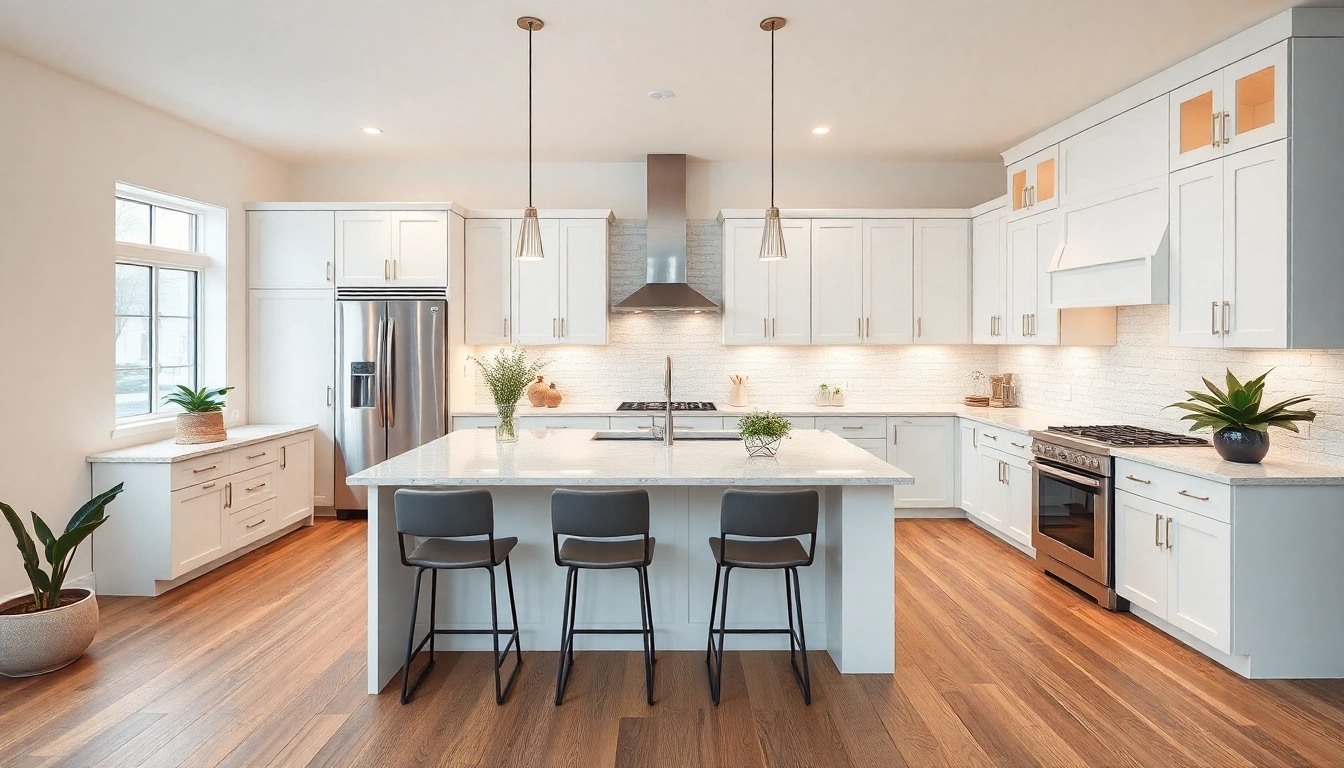
Understanding Kitchen Remodeling: Key Concepts
What is Kitchen Remodeling?
Kitchen remodeling refers to the process of renovating and updating the kitchen space within a home. This comprehensive undertaking can range from minor cosmetic changes such as repainting cabinets or changing hardware, to extensive renovations that involve structural changes, such as knocking down walls to create an open-concept layout. At its core, kitchen remodeling aims to enhance the functionality, aesthetics, and overall value of one of the most important spaces in any home.
Benefits of Kitchen Remodeling
Remodeling your kitchen can yield numerous benefits. Firstly, it can significantly increase your home's value, making it a worthwhile investment if you're considering selling your property in the near future. A modernized kitchen with contemporary designs and appliances is highly attractive to potential buyers. Moreover, renovated kitchens provide improved functionality, allowing for better energy efficiency and making culinary tasks simpler. Finally, a well-designed kitchen can elevate your enjoyment of the space, making cooking and entertaining more pleasurable.
Trending Styles in Kitchen Remodeling
The world of kitchen remodeling is brimmed with innovative designs and trends. Currently, open-concept kitchens that blend into dining areas or living spaces are immensely popular. Minimalist designs with clean lines and neutral palettes offer elegance. Furthermore, vintage-inspired elements, such as farmhouse sinks and retro appliances, draw charm to modern kitchens. Integrating smart technology that allows homeowners to control lighting, appliances, and security through smartphones is also on the rise, reflecting an increasing demand for convenience and efficiency. To explore more ideas, you can check out kitchen remodeling resources online.
Planning Your Kitchen Remodeling Project
Setting a Realistic Budget for Kitchen Remodeling
Effective budgeting is critical to a successful kitchen remodeling project. Begin by assessing the extent of your remodel—will it involve a complete redesign or just cosmetic updates? On average, kitchen remodels can range anywhere from $10,000 for minor updates to over $50,000 for a complete overhaul. Allocate funds for materials, labor, and unforeseen expenses, and consider keeping a contingency fund of at least 10-20% of your total budget to cover surprises that may arise during the renovation process.
Choosing the Right Professionals for Kitchen Remodeling
Selecting qualified professionals is paramount for a smooth remodeling experience. Start by researching local contractors and interior designers, checking their references, portfolios, and customer reviews. An effective team might include a general contractor, an architect or designer, and specialized labor such as plumbers and electricians. Ensuring clear communication of your vision and expectations can significantly enhance the collaboration process and lead to a successful outcome.
Essential Tools and Materials for Kitchen Remodeling
Equipping yourself with the right tools and materials is essential for any remodeling project. Common tools include measuring tapes, hammers, levels, and saws. Procurement of quality materials such as cabinets, countertops, flooring, and tiles should also be carefully considered. Look for durable options that align with your design preferences and budget. Researching suppliers and comparing prices can help you find the right balance of quality and affordability.
Design Elements to Consider in Kitchen Remodeling
Choosing the Right Layout for Kitchen Remodeling
The layout of your kitchen can dramatically affect its functionality and flow. There are several common layouts to consider, including the U-shape, L-shape, galley, and island designs. Understanding how you plan to use the space—whether for cooking, dining, or entertaining—will help you decide which layout best suits your needs. A well-planned layout promotes workflow efficiency, allowing for easy movement between the stove, sink, and refrigerator, often referred to as the work triangle.
Color Schemes and Materials in Kitchen Remodeling
Choosing the right color scheme can drastically alter the ambiance of your kitchen. Neutral colors create a timeless feel, while bold hues can inject energy and personality. Materials for cabinets, countertops, and backsplashes should not only complement the overall aesthetic but also be practical and durable. Consider materials like quartz or granite for countertops due to their resilience, and don’t shy away from experimenting with textures and finishes that can enhance visual interest.
Utilizing Space Effectively in Kitchen Remodeling
Maximizing space in a kitchen remodel requires strategic planning. Efficient storage solutions, such as pull-out shelves, built-in cabinets, and vertical storage, can help declutter the kitchen. Incorporating multifunctional furniture, like kitchen islands with storage or expandable dining tables, can also optimize the available space. Careful consideration of traffic patterns and flow during the design phase is essential to create a harmonious environment.
Sustainable Practices in Kitchen Remodeling
Eco-Friendly Materials for Kitchen Remodeling
Incorporating eco-friendly materials into your kitchen remodel is an excellent way to promote sustainability. Look for sustainable wood, recycled metal, or low-VOC (Volatile Organic Compounds) paints. Bamboo is gaining popularity as a sustainable choice due to its rapid growth and durability. Using reclaimed materials not only reduces waste but also adds character to your kitchen, making it unique.
Energy Efficiency in Kitchen Remodeling
Energy efficiency is a central consideration in kitchen remodeling. Replacing old appliances with Energy Star-rated versions can lead to substantial energy savings. Consider LED lighting, which is energy-efficient and long-lasting, as well as insulation improvements to enhance climate control. Installing faucets and fixtures that limit water usage can also contribute to overall sustainability.
Waste Management Strategies in Kitchen Remodeling
Implementing effective waste management during your kitchen remodel can minimize environmental impact. Start by recycling demo materials like metal, glass, and concrete. Many communities offer recycling programs specifically for construction debris. Additionally, consider donating usable appliances, cabinets, or fixtures to local charities. This not only helps keep waste out of landfills but also assists those in need.
Common Mistakes to Avoid in Kitchen Remodeling
Overlooking Storage Solutions in Kitchen Remodeling
A frequent oversight during kitchen remodeling is inadequate storage planning. Neglecting to incorporate sufficient cabinets, drawer space, or organizational solutions can result in clutter. To avoid this, conduct a thorough analysis of your kitchen's storage needs before finalizing your design. Utilizing vertical space and hidden compartments can help in maintaining an organized and functional kitchen.
Disregarding Lighting in Kitchen Remodeling
Lighting is a critical aspect of kitchen design that is often overlooked. Effective lighting enhances functionality and creates an inviting atmosphere. Incorporating task lighting, accent lighting, and ambient lighting is essential to ensure that the kitchen is well-lit for every activity, from food preparation to casual dining. Utilizing natural light through windows can also enhance the overall ambiance of the space.
Ignoring Workflow Efficiency in Kitchen Remodeling
Workflow efficiency is crucial in a functional kitchen. When planning your kitchen layout, it’s important to consider how you will move between key zones—cooking, cleaning, and food preparation. Ignoring this aspect can lead to frustration while cooking and disorganization. Aim for a design that keeps key elements within easy reach, enhancing both convenience and enjoyment in the kitchen.
Frequently Asked Questions about Kitchen Remodeling
What is the average cost of a kitchen remodel?
The average cost varies, ranging from $10,000 for minor updates to $50,000 or more for extensive renovations, depending on materials and scale.
How long does a kitchen remodel typically take?
A kitchen remodel can take anywhere from a few weeks to several months based on the project's complexity, design, and scope of work.
What should I prioritize in my kitchen remodel?
Focus on your layout, storage solutions, and durable materials, ensuring that the design aligns with your lifestyle and cooking habits.
Should I hire a designer for my kitchen remodel?
While not required, hiring a designer can help optimize your space and provide professional insights that elevate your remodeling project.
How can I stay on budget during my kitchen remodel?
Set a realistic budget, prioritize essential upgrades, and maintain a contingency fund to handle unexpected expenses that may arise.